high-end Bevelling and cutting machines
since 1992


what is bevelling?
The process of bevelling, also known as beveling in America and sometimes referred to as chamfering, plays a vital role in metalworking. It entails the creation of a sloping edge on a plate or pipe. This chamfer, which is an angled cut, is essential for preparing the welding edge, especially when materials are thicker than 5 mm. Bevelling or chamfering before welding guarantees improved strength and stability in the final construction. Appropriate bevelling technologies are essential in the energy industry, in steel construction, shipbuilding, vehicle and container manufacturing.


Blog

Weld Bevel Angles Explained: 30°, 37.5°, J and K Bevels
A practical guide to the most common weld preparations – 30° V, 37.5° pipe bevel, X, K, J and U – and when to use each one.

Case study: J-bevel
Weld edge preparation on thick plates does not have to be limited to conventional V- or K-bevels. Using a special milling head, the HURDMILL can also produce precise J-bevels up to 60 mm deep – consistently and without creating a heat-affected zone.

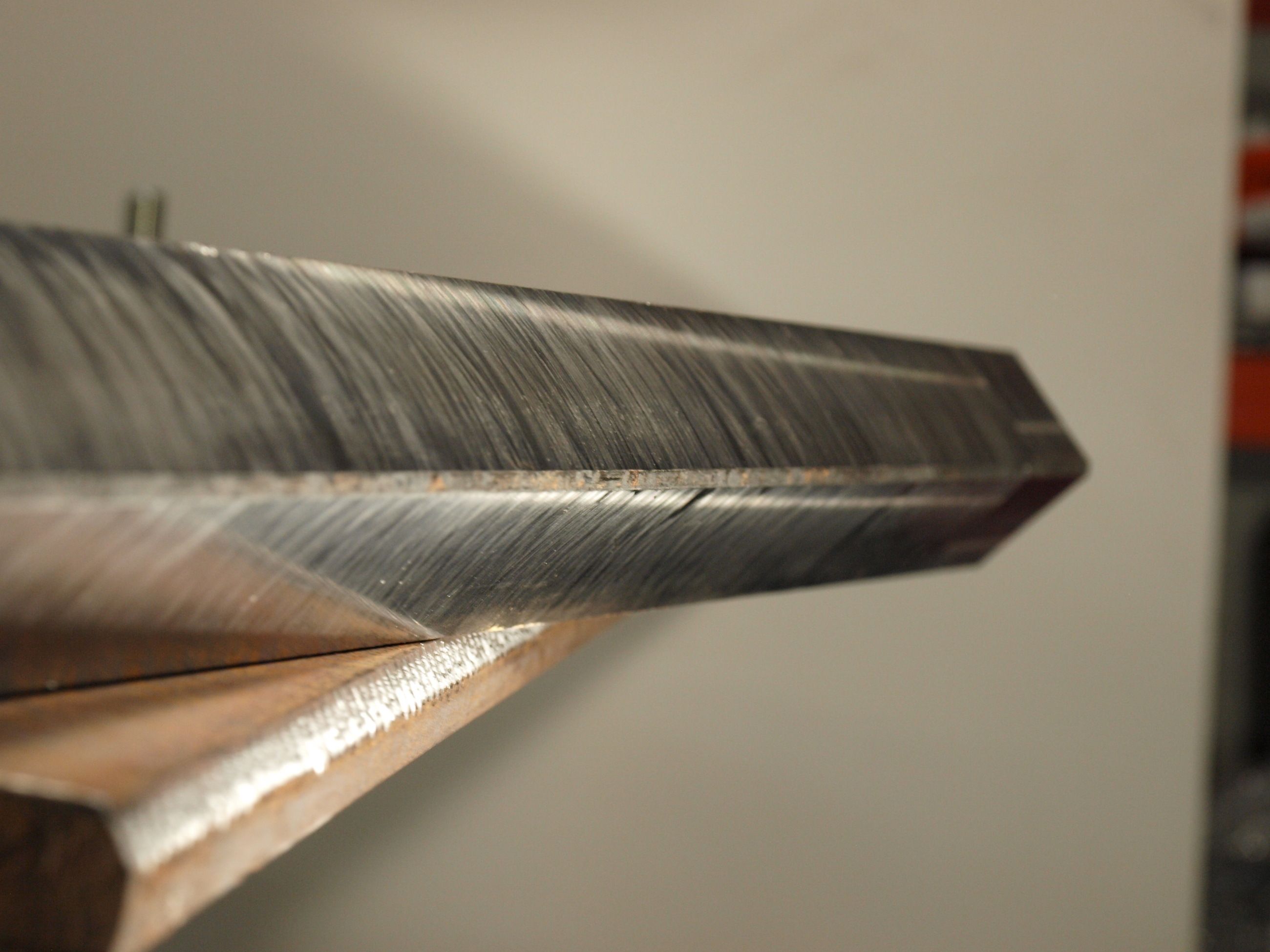
Rotary shearing – fast and quiet plate beveling technology
Rotary shearing is one of the most efficient technologies for preparing plate edges prior to welding. It uses a rotary tool that quickly and smoothly shears the material, without creating a heat-affected zone and without producing conventional chip waste.
request a quote
We welcome your inquiries, feedback, or any questions you may have. Don't hesitate to reach out to us using the form below.


Contact us and our team of technicians will help you find the best bevelling solution.